 +1 (216) 400-5753
 521 Valcour Rd, Catonsville, MD 21228, US

Truck Dispatching Services by Truck Type
Dispatch services across all truck types by focusing on equipment attributes, freight behavior, and operational workflow.
Get a Load and Dispatching Services Fast
Box Truck Dispatch
Box truck dispatch focuses on straight trucks designed for local and regional freight movement. These trucks typically operate under the 26,000 lbs GVWR threshold, which allows non-CDL operations in many cases. The equipment is commonly used for palletized goods, retail shipments, appliances, and last-mile deliveries where accessibility and flexibility matter more than volume capacity.
- Optimize routes to reduce idle time and increase daily loads.
- Manage tight delivery schedules with real-time coordination.
- Consider liftgate and urban access in load planning.

Dry Van Dispatch
Dry van dispatch handles enclosed trailers designed for general freight that does not require temperature control. These trailers usually range from 48 to 53 feet and support loads up to approximately 45,000 lbs. Freight includes retail goods, packaged products, furniture, and non-perishable shipments that move through structured dock-based loading systems.
- Focus on high-volume lanes for consistent freight flow.
- Use load boards and brokers to reduce deadhead miles.
- Maintain predictable load cycles for steady revenue.
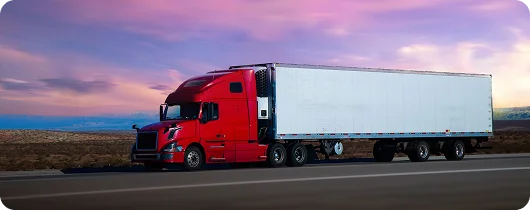
Reefer Dispatch
Reefer dispatch operates around refrigerated trailers equipped with temperature-controlled units that maintain specific environmental conditions during transit. These trailers support a temperature range typically between -20°F and 70°F, making them suitable for food, pharmaceuticals, and other sensitive goods.
- Ensure strict timing and temperature compliance for sensitive loads.
- Prioritize real-time tracking to prevent delays and spoilage.
- Negotiate higher rates due to complexity and risk.

Power Only Dispatch
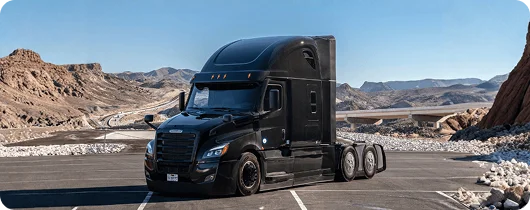
Power-only dispatch involves tractor units that haul trailers provided by shippers or brokers instead of using their own trailers. This model is commonly used for drop-and-hook operations, trailer repositioning, and preloaded freight movement. The flexibility of switching between different trailers allows carriers to operate without trailer ownership costs.
- Reduce downtime with preloaded trailers.
- Increase load turnover with faster cycles.
- Focus on volume-driven revenue.
Hotshot Dispatch
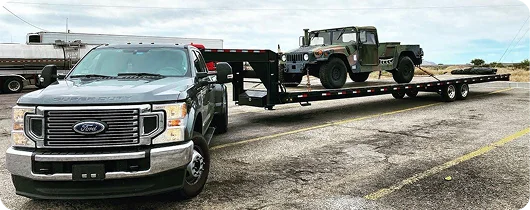
Hotshot dispatch is built around smaller trucks paired with gooseneck or flatbed trailers used for urgent and time-critical freight. These loads are typically lighter, often under 15,000 lbs, and require fast pickup and delivery across regional routes. Industries such as construction, oilfields, and emergency logistics rely heavily on hotshot services.
- Prioritize speed and flexible load handling.
- Select loads based on urgency, not volume.
- Maintain quick coordination for higher RPM.
Flatbed Dispatch
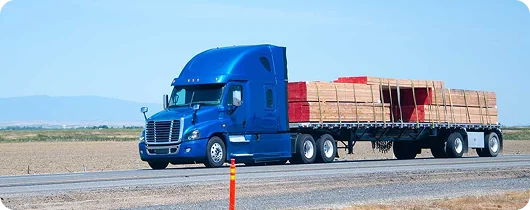
Flatbed dispatch handles open-deck trailers designed for oversized or irregular freight that cannot be enclosed. These trailers support heavy loads, often up to 48,000 lbs, and allow loading from the side, top, or with cranes. Freight includes steel, lumber, machinery, and construction materials.
- Manage securement, tarping, and safety compliance.
- Include accessorials like tarping and detention for higher revenue.
- Match loads with proper equipment requirements.
Step Deck Dispatch
Step deck dispatch uses trailers with two deck levels, allowing taller freight to be transported without exceeding height restrictions. The lower deck accommodates freight up to approximately 10 feet in height, making it suitable for machinery and equipment that cannot fit on standard flatbeds.
- Plan loads considering height restrictions and routing limits.
- Ensure equipment compatibility for each load.
- Focus on niche, high-value freight opportunities.
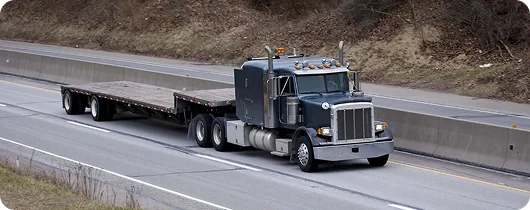
Conestoga Dispatch
Conestoga dispatch manages flatbed trailers equipped with a rolling tarp system, offering the protection of an enclosed trailer with the flexibility of open-deck loading. It is ideal for high-value or weather-sensitive freight like steel, machinery, and building materials.
- Eliminate manual tarping while ensuring freight protection.
- Access premium loads with higher rate-per-mile potential.
- Optimize loading from sides, top, or rear for faster turnaround.

Lowboy Dispatch
Lowboy dispatch focuses on trailers designed for hauling heavy and oversized equipment with low deck height, making them suitable for tall machinery that exceeds standard height limits. Commonly used for construction, industrial, and specialized freight transport.
- Plan routes based on permits, height, and weight restrictions
- Coordinate oversize loads with compliance and escort requirements.
- Target high-paying heavy haul and specialized freight opportunities.

Weekly Profit Plan for
Owner-Operator
We are giving you a free customize profit plan for your fleet
Get Weekly Plan
Dispatch Fee Chart
| Truck Type | Rate Per Mile | Weekly Gross | Dispatch Fee |
|---|---|---|---|
| Power Only | $2.50 - $3.50 | $7,000 - $10,000 | 6% |
| Dry Van | $2.50 - $3.50 | $7,000 - $10,000 | 6% |
| Reefer | $2.50 - $4.00 | $9,000 - $12,000 | 6% |
| Flatbed | $2.80 - $4.00 | $9,000 - $12,000 | 6% |
| Step Deck | $3.00+ (Min) | $10000-$13000 | 6% |
| Box Truck | $1.70 _ $2.20 | $5,500 - $7,500 | 8% |
| Hotshot | $2.0 - $3.0 | $7,000 - $10,000 | 7% |
Better Handling for Any Truck Type?
We handle load sourcing, rate negotiation, and paperwork so your truck stays loaded and profitable.
Frequently Asked Questions
What types of trucks can be dispatched?
Dispatch services can support dry vans, reefers, flatbeds, box trucks, hotshots, step decks, power-only, and other freight trucks.
Which truck type is best for general freight?
Dry vans are best for general freight because they carry boxed, palletized, and non-temperature-sensitive goods.
What is a reefer truck used for?
A reefer truck is used to haul temperature-controlled freight such as food, medicine, produce, and frozen goods.
What type of freight does a flatbed truck carry?
Flatbeds carry oversized, heavy, or open-deck freight such as steel, lumber, machinery, and construction materials.
Can box trucks get regular loads?
Yes, box trucks can haul local, regional, LTL, final-mile, retail, and small business delivery loads.
Which truck type earns the most?
Flatbeds, reefers, and specialized trucks often earn more, but profit depends on lanes, rates, fuel cost, and load availability.