 +1 (216) 400-5753
 521 Valcour Rd, Catonsville, MD 21228, US

Flatbed Dispatch Services
in the USA
Commercial flatbed truck dispatch operates in a high-precision freight environment where load type, securement, and route planning directly influence revenue and risk. Dispatch decisions determine whether a truck runs profitably or loses time on low-quality loads.
Get a Load and Dispatching Services Fast
What Is Flatbed Freight Dispatch, and How Does It Operate?
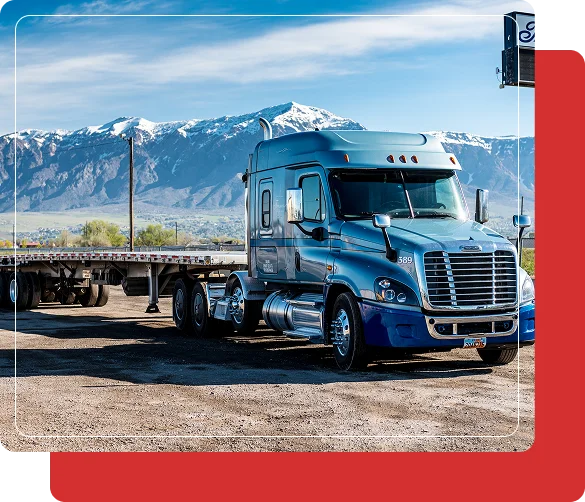
Flatbed dispatch is a logistics coordination process that manages the full lifecycle of a load, from sourcing to delivery confirmation, specifically for open-deck freight.
The execution flow follows a
controlled sequence:
- Load Source
- Dispatcher Analysis
- Carrier Approval
- Execution
- Documentation
- Payment
Each stage includes operational
validation:
- Load requirements (weight, dimensions, commodity type)
- Securement needs (chains, straps, tarps)
- Equipment compatibility (flatbed, step deck, conestoga)
- Delivery conditions (jobsite vs dock)
Flatbed truck dispatch is not only a load booking but a freight-specific operational planning.
Why Flatbed Freight Requires
Specialized Dispatching
Flatbed freight introduces variables that do not exist in
enclosed trailer operations.

Load Securement Complexity
Each load requires a defined securement configuration:
- Chain count for steel and machinery
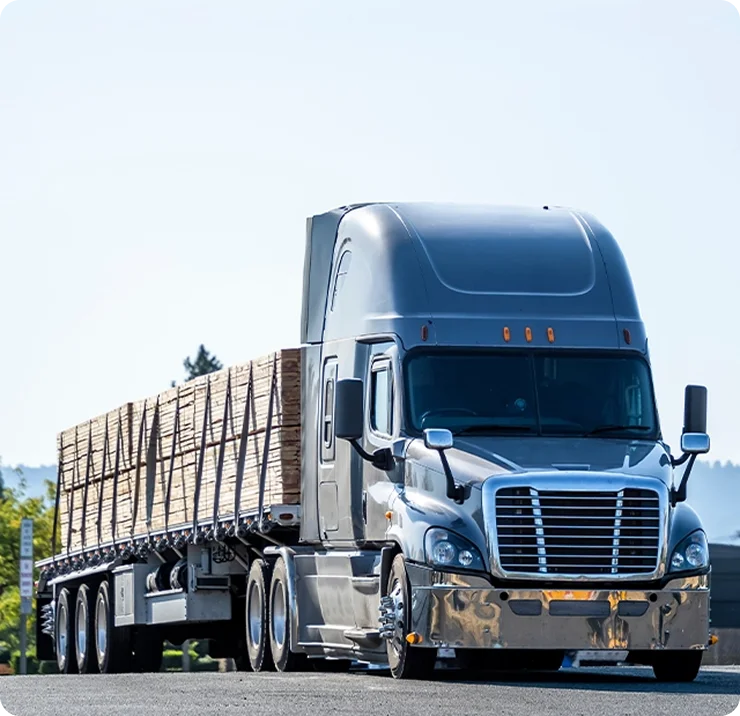
- Strap distribution for lumber and palletized freight
- Tarping requirements for weather-sensitive loads
Incorrect planning leads to:
- Load rejection
- DOT violations
- Claim risks

Commodity Risk Exposure
Flatbed freight includes:
- Steel coils (high liability)
- Industrial equipment
- Oversized loads
Risk increases with improper load matching or unclear instructions.

Operational Variability
Unlike dock-to-dock freight, flatbed operations involve:
- Jobsite deliveries
- Crane or forklift unloading
- Appointment variability
Dispatch must account for these variables before booking.
Flatbed Dispatching Fee Chart
| Truck Type | Rate Per Mile | Weekly Gross | Dispatch Fee |
|---|---|---|---|
| Flatbed | $2.80 - $4.00 | $9,000 - $12,000 | 6% |
Affordable but Effecient Truck Dispatching Solution


Flatbed Truck Dispatch Solutions for
Revenue Optimization
Flatbed profitability depends on proactive decision-making, not only random load booking.

RPM Optimization Framework
Flatbed dispatch evaluates each load based on RPM by combining base rate, accessorials, and deadhead impact. Loads are accepted only if they meet minimum RPM thresholds and route profitability. This ensures every mile contributes to actual profit, not just cost coverage.

Securement Validation Protocol
Before booking, dispatch verifies tarp type, chain/strap count, edge protection, and coil rules. This prevents on-site delays, compliance issues, and cargo risks. Proper validation ensures smooth pickup and delivery execution.

Deadhead Reduction Model
Dispatch reduces empty miles through pre-booked reloads, high-density lane routing, and multi-stop planning. The focus is on continuous loaded movement. This keeps trucks generating revenue consistently without downtime.
Dispatch vs Self-Dispatch
Short comparison without over-explaining:
| Freight Type | Dispatch Consideration |
|---|---|
| Lumber | Strap placement, weather exposure |
| Steel (beams, plates) | Chain securement, weight distribution |
| Machinery | Equipment compatibility, loading method |
| Coils | Coil racks, directional securement |
| Construction Materials | Jobsite coordination |
| Oversized Freight | Permit routing, escort planning |
Each category requires a different rate strategy + compliance approach.

Our Flatbed Dispatcher Approach for Your Profitability
Flatbed revenue exceeds base rate, accessorials boost profitability.
| Accessorial Type | Operational Impact |
|---|---|
| Tarp Pay | Covers labor and time for tarping |
| Detention | Compensates delays at pickup/delivery |
| Layover | Covers overnight waiting |
| TONU (Truck Ordered Not Used) | Protects against cancellations |
| Oversize Permits | Adds value for specialized loads |
Every accessorial is:
- Identified before booking
- Negotiated with broker
- Confirmed in rate confirmation
Flatbed Dispatch Services
Included
Flatbed dispatch covers all operational and administrative components
required to run a truck efficiently.


Weekly Profit Plan for
Owner-Operator
We are giving you a free customize profit plan for your fleet
Get Weekly Plan
Tools and Platforms Used in Flatbed Dispatch
Professional dispatching relies on freight visibility and broker networks.
Core platforms include:
DAT Load Board → High-volume load access
Truckstop → Broker network and rate comparison
These systems enable:
- Load availability analysis
- Broker credibility checks
- Rate benchmarking
Combined with experience, they improve load quality and consistency.
How Flatbed Dispatch Improves
Owner-Operator Performance
Without structured dispatch, operators face operational inefficiencies.
Common Issues Without Dispatch
- Time spent searching loads
- Weak rate negotiation
- Missed accessorial opportunities
- High deadhead percentage
With Flatbed Dispatch
- Consistent load flow
- Higher RPM loads
- Reduced administrative burden
- Better weekly revenue predictability
Flatbed Truck Dispatch Service vs Self-Dispatch
| Factor | Self Dispatch | Flatbed Dispatch Service |
|---|---|---|
| Load Access | Limited | Broader network |
| Negotiation Power | Individual | Market-informed |
| Time Efficiency | Low | High |
| Route Planning | Reactive | Structured |
| Scalability | Limited | Expandable |
Self-dispatch provides control but limits growth.
Structured dispatch improves efficiency, consistency, and revenue stability.
Revenue Growth Strategy for
Flatbed Carriers
Flatbed profitability depends on multiple aligned factors.

Lane Optimization
Focus on freight corridors with:
- High load density
- Consistent reload availability

Broker Selection
Work with:
- High-credit brokers
- Reliable payment cycles

Reload Planning
Next load is planned before delivery completion.
- Pre-booked reload
- Continuous planning

Accessorial Capture
Ensure all applicable charges are negotiated upfront.
- Upfront negotiation
- Full charge inclusion
Who Benefits from Flatbed
Dispatch Services?

Owner Operators
Maintain independence
Reduce workload
Increase revenue consistency

Small Fleets
Keep multiple trucks loaded
Improve fleet utilization

New Authorities
Enter flatbed market with guidance
Avoid early-stage mistakes

Experienced Carriers
Optimize lanes and revenue strategy
Improve operational efficiency
How Our Dispatching
Process Works
A structured workflow ensures consistent load flow and accurate execution.

Active MC authority

Valid insurance coverage
Trailer specifications (48’, 53’, step deck, etc.)
Securement equipment (tarps, chains, straps)
Defined RPM and deadhead limits
Onboarding Process
1
Documentation
Submission
MC, W9, insurance details
2
Dispatcher
Allocation
Dedicated dispatcher aligned with your operation
3
Load
Matching
Filtered load options based on your criteria
4
Execution
You haul loads while dispatch manages operations
5
Documentation
Handling
We manage paperwork, broker communication, and compliance requirements.
6
Payment &
Follow-Up
Invoices are processed, and payment cycles are monitored.
Why Choose Our Flatbed
Dispatch Services?
No forced dispatch (full load approval control)
Dedicated dispatcher per carrier
Transparent pricing structure
Freight-specific expertise
Performance-driven load selection
Focus remains on long-term operational growth, not short-term booking.
Frequently Asked Questions
What are flatbed dispatch services?
Flatbed dispatch services help flatbed truck drivers find loads, negotiate rates, manage broker communication, handle paperwork, and plan routes for open-deck freight.
Who needs flatbed dispatch services?
Owner-operators, small fleets, and flatbed carriers who haul construction materials, machinery, steel, lumber, pipes, or oversized freight need professional flatbed dispatch support.
How does MNA Transport Solutions LLC find flatbed loads?
MNA Transport Solutions LLC searches reliable load boards and broker networks to find profitable flatbed loads based on your truck type, preferred lanes, weight limits, and availability.
Do flatbed dispatchers negotiate rates?
Yes. A flatbed dispatcher negotiates rates with brokers to help drivers secure better pay per mile, reduce deadhead miles, and avoid low-paying freight.
What paperwork is handled in flatbed dispatch?
Flatbed dispatch usually includes rate confirmations, broker setup packets, carrier packets, BOLs, load details, pickup information, delivery schedules, and basic document coordination.
Why choose MNA Transport Solutions LLC for flatbed dispatching?
MNA Transport Solutions LLC gives carriers dedicated dispatch support, better load planning, rate negotiation, paperwork help, and consistent communication so drivers can stay focused on the road.