 +1 (216) 400-5753
 521 Valcour Rd, Catonsville, MD 21228, US

Reefer Dispatch Services
Reefer freight dispatch works under strict conditions where timing, temperature, and compliance directly impact revenue. A single delay or temperature fluctuation can convert a high-paying load into a complete loss.
Get a Load and Dispatching Services Fast
What Is a Reefer Dispatch?
Reefer dispatch is a specialized logistics coordination system designed to manage temperature controlled freight operations. It connects load sourcing, scheduling, route planning, and compliance into a single workflow that ensures cargo integrity throughout transit.
Unlike general dispatch, reefer operations require constant alignment between temperature requirements, delivery timelines, and handling protocols. The dispatcher acts as the operational controller who ensures that every movement of the truck supports cold chain stability.
- Coordinates reefer loads based on temperature range, product type, pickup window, and delivery deadline.
- Checks carrier readiness before dispatch, including reefer unit status, fuel level, pre-cooling, and trailer cleanliness.
- Tracks transit conditions so frozen, chilled, and perishable freight stays within the required temperature zone.
- Manages broker communication, appointment changes, detention, layovers, lumper fees, and delivery updates.
Why Reefer Freight Requires Expert Dispatch?
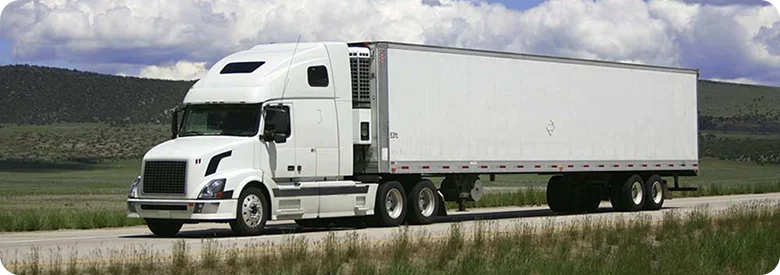
Reefer freight needs expert dispatch because every load carries more risk than standard dry van freight. A small delay, wrong temperature setting, missed pickup window, or poor route choice can damage the product and create claims for the carrier.
An expert reefer dispatcher understands temperature rules, appointment timing, washout needs, fuel planning, and broker communication. They check load details before booking and make sure the driver has the right instructions before moving.
This matters most with produce, frozen food, meat, dairy, seafood, and pharmaceutical loads. These shipments need close tracking from pickup to delivery, so the freight stays protected and the carrier avoids costly problems.
Expert dispatch also helps drivers avoid rejected loads by confirming delivery rules, paperwork, and receiver requirements before arrival. It keeps communication clear when delays, temperature checks, or route changes happen on the road. For reefer carriers, this level of control protects both the cargo and the business reputation.

Types of Freight Transported in Reefer Trucks
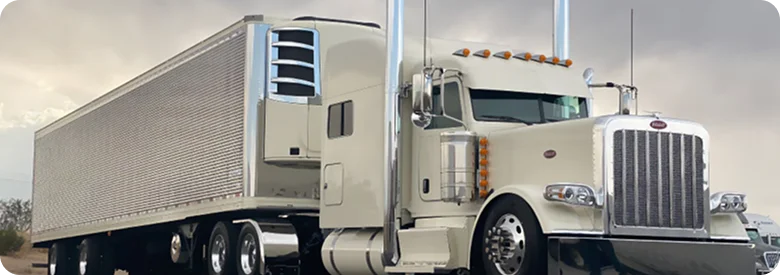
Reefer trailers move a wide range of temperature-sensitive goods, each with unique handling and environmental requirements.
Fresh produce requires consistent cooling to maintain freshness and prevent spoilage during transit. Frozen products such as meat and seafood must remain at sub-zero temperatures without interruption.
Dairy shipments demand stable chilled environments, while pharmaceutical products often require tightly controlled temperature bands with documentation for compliance.
Other freight such as floral shipments, beverages, and packaged food items also depend on controlled conditions, making reefer transport essential across multiple industries.
- Temperature accuracy helps protect product quality from pickup to delivery.
- Proper reefer handling reduces spoilage, rejected loads, and costly claims.
- Each load type needs the right settings, monitoring, and documentation.
Problems Without Structured Reefer Dispatch
Unmanaged reefer operations create multiple failure points that directly affect profitability and reliability.
Spoilage becomes a major risk when temperature requirements are not monitored properly. Even small deviations can lead to rejected loads and insurance disputes. Delivery delays caused by poor planning result in missed appointments and reduced broker trust. Revenue instability increases when carriers rely on inconsistent loads and operate with high empty miles.
Compliance issues further add pressure, as failure to meet regulatory standards can lead to penalties, audits, and long-term business loss.
- Missed temperature checks can turn a good load into a claim.
- Poor appointment planning
- Delays, detention, and broker complaints.
- High empty miles reduce profit even when trucks stay active.
- Weak paperwork control increases compliance risk and payment delays.
Reefer Dispatch Operational Framework
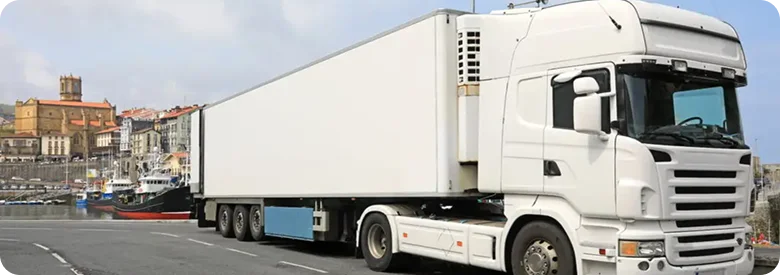
Reefer dispatch works as a system where multiple components operate together:
Load Evaluation: Each load is assessed based on temperature requirement, urgency, and profitability.
Rate Structuring: Pricing is optimized using market demand, distance, and load sensitivity.
Scheduling Alignment: Pickup and delivery times are coordinated to avoid delays.
Compliance Validation: Temperature handling and documentation are verified before execution.
Route Planning: Efficient routes are selected to reduce transit risk and fuel cost.
This structured approach ensures that operations remain predictable and scalable.
A strong reefer dispatch framework gives carriers better control before the truck even moves. The dispatcher checks load details, confirms equipment readiness, reviews delivery windows, and plans around fuel stops, washouts, and receiver requirements. This reduces last-minute issues that often cause missed appointments, temperature claims, or wasted miles.
Our Reefer Dispatch Services
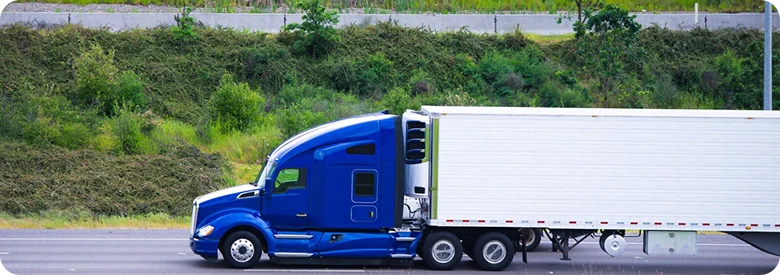
We provide end-to-end dispatch support designed to stabilize operations and increase profitability.
Our system focuses on securing high-quality loads through reliable broker networks while maintaining strict scheduling control. Rate negotiation is handled using real-time market insights to improve revenue per mile. At the same time, compliance requirements are managed to ensure that every shipment meets cold chain standards.
Route optimization plays a key role in reducing empty miles and maintaining continuous movement. This combination of load quality, timing precision, and operational control creates a stable dispatch environment for reefer carriers.
- We find reefer loads that match your lanes, equipment, and revenue goals.
- We negotiate better rates while protecting pickup, delivery, and temperature requirements.
- We manage dispatch flow, paperwork, routing, and updates to keep trucks moving.
What We Handle for You
Instead of managing multiple operational tasks, you receive a fully supported dispatch system:
- Load sourcing and booking
- Broker communication and negotiation
- Temperature requirement coordination
- Route planning and scheduling
- Documentation and paperwork handling
- Invoicing and payment follow-up
Each function is aligned to reduce workload while improving operational efficiency. With dispatch tasks handled in one place, carriers can focus more on driving and less on daily back-office pressure.
This support keeps loads moving, communication clear, and schedules under control. The result is a smoother reefer operation with fewer delays and better revenue consistency.
How Our Reefer Dispatch System Works
The process starts with onboarding, where your MC authority, insurance, and equipment details are verified. Once completed, you are assigned a dedicated dispatcher who understands reefer operations.
Load sourcing begins immediately based on your availability and preferred lanes. Each load is negotiated and confirmed before scheduling. During execution, the dispatch team monitors timelines, coordinates with brokers, and ensures that delivery requirements are met without disruption.
This structured workflow allows carriers to operate without constant operational pressure.
- Carrier profile setup helps match loads with your truck type, reefer capacity, preferred lanes, and operating schedule.
- Load options are reviewed for rate, pickup timing, delivery window, distance, and temperature requirements before booking.
- Broker communication is managed throughout the trip to prevent confusion, missed updates, or last-minute delays.
- Route and schedule planning help reduce empty miles, waiting time, and temperature-related delivery risks.

Who Needs Reefer Dispatch Services?
Reefer dispatch supports different types of carriers depending on their operational scale.
Owner-operators benefit from consistent load flow without losing control over load selection. Small fleets use dispatch services to keep trucks moving while reducing administrative burden. Cold chain carriers rely on structured dispatch to maintain compliance and reduce risk associated with temperature-sensitive freight.
- New reefer carriers need dispatch support to understand broker requirements, temperature instructions, and load paperwork from the start.
- Owner-operators who drive alone use dispatch services to avoid wasting hours on load boards, calls, and rate negotiation.
- Small fleets benefit when each truck needs steady load planning, schedule control, and clear broker communication.
- Carriers hauling produce, frozen goods, dairy, meat, or pharmaceuticals need dispatch coordination to protect delivery timing and freight condition.
Reefer Dispatching Fee Chart
| Truck Type | Rate Per Mile | Weekly Gross | Dispatch Fee |
|---|---|---|---|
| Reefer | $2.50 - $4.00 | $9,000 - $12,000 | 6% |
Weekly Profit Plan for
Owner-Operator
We are giving you a free customize profit plan for your fleet
Get Weekly Plan
Performance Impact of Structured Dispatch
| Area | Result | Impact |
|---|---|---|
| Load consistency | Predictable weekly income | Stable cash flow |
| Time management | Reduced delays | Faster deliveries |
| Route planning | Lower fuel cost | Higher margins |
| Compliance | Fewer rejected loads | Reduced penalties |
| Admin handling | Less operational stress | Better efficiency |
| Equipment monitoring | Temperature control stability | Cargo protection |
Why Choose Our Reefer
Dispatch System
Reefer operations require precision, not guesswork. Our dispatch system is
built to maintain temperature control, ensure timely deliveries,
and protect cargo integrity across every mile.
Operational advantages:
- Continuous temperature monitoring for load safety
- Reduced risk of spoilage and rejected shipments
- High accuracy in route and schedule planning
- Strong alignment with compliance and cold chain standards
Freight categories typically handled:
- Perishable food and beverages
- Pharmaceutical and medical supplies
- Frozen and refrigerated goods
- Temperature-sensitive retail shipments
Each load is managed with strict temperature control, time sensitivity, and compliance
to ensure consistent performance and maximum reliability.
Frequently Asked Questions
What are reefer dispatch services?
Reefer dispatch services help refrigerated truck drivers find temperature-controlled loads, negotiate rates, manage broker calls, handle paperwork, and keep the truck moving on profitable lanes.
What types of loads do reefer trucks haul?
Reefer trucks haul frozen food, fresh produce, dairy, meat, seafood, pharmaceuticals, flowers, and other freight that needs controlled temperature during transit.
Why do reefer drivers need specialized dispatching?
Reefer freight needs temperature checks, appointment timing, washouts, lumper coordination, detention tracking, and quick issue handling, so it needs more attention than standard dry van loads.
How do reefer dispatchers help increase earnings?
Reefer dispatchers search better-paying refrigerated loads, reduce deadhead miles, negotiate rates, plan lanes, and avoid weak loads that waste fuel and driving hours.
Do reefer dispatch services handle detention and lumper issues?
Yes, a good reefer dispatcher helps track detention time, collect paperwork, communicate with brokers, and support drivers with lumper receipts and accessorial charges.
Can new reefer owner-operators use dispatch services?
Yes, new reefer owner-operators can use dispatch services to find loads, build broker relationships, manage paperwork, and understand profitable reefer lanes faster.