+1 (216) 400-5753
 521 Valcour Rd, Catonsville, MD 21228, US

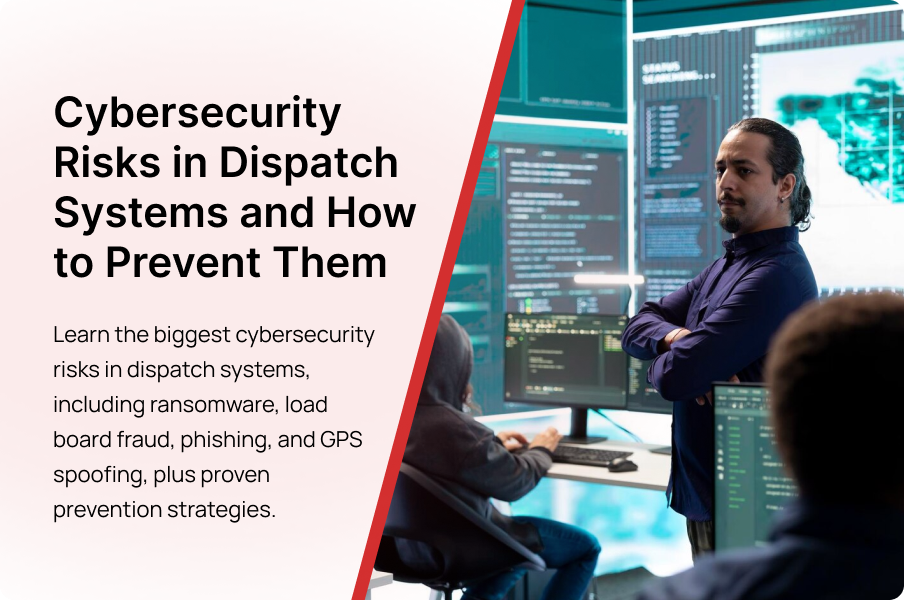
Dispatch systems control the operational flow of modern freight transportation. Transportation Management Systems (TMS), load boards, fleet telematics, ELD platforms, GPS tracking systems, and cloud-based dispatch software now manage dispatch communication, driver coordination, freight visibility, route planning, and payment workflows across the trucking industry.
Digital freight infrastructure improves efficiency, but it also increases cybersecurity exposure. Dispatch companies, freight brokers, owner-operators, and trucking fleets face growing risks from ransomware attacks, phishing scams, double brokering fraud, GPS spoofing, and unauthorized access to dispatch platforms.
A compromised dispatch environment affects operational continuity, cargo security, customer trust, compliance, and revenue stability. Cybercriminals target dispatch systems because freight operations depend on real-time coordination, fast payments, and continuous communication between carriers, brokers, dispatchers, and drivers.
This guide explains the biggest cybersecurity threats in freight dispatch systems, the operational vulnerabilities that increase cyber risk, and the prevention strategies trucking companies use to protect digital dispatch operations.
Why Modern Dispatch Systems Are Vulnerable to Cyber Attacks
Digital Transformation in Freight Dispatch Operations
Freight dispatch operations now depend on cloud-based systems that connect dispatchers, brokers, drivers, telematics platforms, and payment networks through APIs and mobile applications.
Modern dispatch systems include:
- Transportation Management Systems (TMS)
- Driver mobile apps
- GPS fleet tracking platforms
- Electronic Logging Devices (ELDs)
- Digital document management systems
- Freight visibility software
- Automated payment integrations
Connected logistics ecosystems improve operational speed, but each connected platform increases the attack surface for cybercriminals.
Expanding Attack Surface Across Transportation Networks
Cybersecurity risks increase when dispatch operations use:
- Remote dispatcher workstations
- Public Wi-Fi connections
- Third-party load board integrations
- Shared credentials
- Unsecured cloud storage
- API-based dispatch automation
Operational technology (OT) and information technology (IT) systems often operate together without proper network segmentation. A single compromised login credential can expose dispatch workflows, freight documents, customer data, and payment systems.
Why Freight and Dispatch Operations Attract Cybercriminals
Freight operations move high-value cargo through time-sensitive transportation networks. Cybercriminals target dispatch systems because delays, downtime, or cargo disruption create immediate financial pressure.
Dispatch systems commonly process:
- Freight invoices
- Wire transfers
- Broker payments
- Fuel card data
- Rate confirmations
- Cargo tracking information
- Carrier identity verification
Weak cybersecurity infrastructure inside small fleets and independent dispatch operations creates additional vulnerability.
Core Components of a Dispatch System That Cybercriminals Target
Transportation Management Systems (TMS)
Transportation Management Systems store operational dispatch data, carrier profiles, route information, freight schedules, customer records, and payment workflows. A compromised TMS environment can disrupt the entire freight coordination process.
Load Boards and Broker Platforms
Load boards remain major cybercrime targets because attackers exploit broker-carrier communication systems through:
- Fake load postings
- Carrier impersonation
- Credential theft
- Double brokering fraud
- MC number identity theft
Cybercriminals use compromised broker accounts to redirect freight or steal payments.
Driver Mobile Applications
Driver mobile apps contain operational communication, route visibility, GPS tracking, and document-sharing functions. Unsecured devices increase the risk of unauthorized system access and malware infections.
GPS Tracking and Fleet Telematics Systems
GPS tracking systems and telematics devices improve freight visibility, but attackers use GPS spoofing and signal manipulation to interfere with route monitoring and cargo tracking.
ELD and Compliance Platforms
Electronic Logging Devices (ELDs) store operational compliance data tied to FMCSA regulations. Cyber attacks targeting ELD systems disrupt Hours of Service records, route monitoring, and driver compliance visibility.
Digital Documents and Freight Payment Systems
Dispatch workflows exchange:
- Bills of Lading (BOLs)
- Proof of Delivery (PODs)
- Broker packets
- Rate confirmations
- Factoring invoices
Cybercriminals manipulate these documents to redirect freight payments or deploy malware inside dispatch environments.
Most Common Cybersecurity Risks in Dispatch Systems
Phishing Attacks Against Dispatchers and Brokers
Phishing remains one of the most common dispatch cybersecurity threats. Attackers send fake broker emails or payment requests designed to steal login credentials and financial information.
Common phishing targets include:
- Dispatcher email accounts
- Freight payment portals
- Carrier onboarding systems
- Load board credentials
A successful phishing attack gives cybercriminals access to operational dispatch networks.
Ransomware Attacks on Fleet Operations
Ransomware encrypts dispatch databases, TMS platforms, operational records, and communication systems. Freight operations stop when dispatchers lose access to:
- Load schedules
- Driver communication
- Route planning tools
- Freight invoices
- Fleet tracking systems
Ransomware attacks create operational downtime, delayed shipments, and financial losses across transportation networks.
Load Board Fraud and Carrier Impersonation
Load board fraud continues to increase across the trucking industry. Attackers impersonate legitimate carriers using stolen MC numbers and fake dispatch identities.
Common schemes include:
- Double brokering
- Fictitious pickups
- Freight redirection
- Identity-based cargo theft
Weak broker verification processes increase exposure to dispatch fraud.
Malware and Malicious Attachments
Dispatch operations frequently exchange PDFs, spreadsheets, invoices, and rate confirmations. Malware hidden inside these files compromises dispatcher workstations and cloud dispatch systems.
Malicious software may:
- Steal credentials
- Track operational activity
- Deploy ransomware
- Create remote system access
GPS Spoofing and Route Manipulation
GPS spoofing sends false location signals to fleet tracking systems. Attackers manipulate freight visibility to:
- Redirect cargo
- Hide unauthorized route changes
- Delay theft detection
- Disrupt route monitoring
High-value freight shipments face elevated risk from route manipulation attacks.
Insider Threats and Unauthorized Access
Internal cybersecurity failures occur when:
- Employees share passwords
- Former dispatchers retain access
- Permissions remain unmanaged
- Unverified users access systems
Weak access control creates operational security gaps.
Cloud Dispatch System Vulnerabilities
Cloud-based dispatch systems improve scalability but increase cybersecurity complexity.
Common cloud vulnerabilities include:
- Misconfigured storage
- Weak API security
- Unencrypted data transmission
- Poor identity management
- Insecure third-party integrations
How Cyber Attacks Affect Freight and Dispatch Operations
Dispatch Downtime and Operational Delays
A compromised dispatch environment interrupts:
- Driver communication
- Load coordination
- Route optimization
- Freight scheduling
- Broker communication
Operational downtime reduces revenue and increases customer dissatisfaction.
Cargo Theft and Freight Diversion
Cybercriminals use stolen dispatch credentials and fake carrier identities to redirect freight shipments. Cargo theft risk increases when verification workflows fail.
Financial Losses and Fraudulent Payments
Dispatch payment fraud causes:
- Wire transfer theft
- Invoice manipulation
- Duplicate payment schemes
- Factoring fraud
- Fuel card abuse
Financial recovery becomes difficult after fraudulent transactions complete.
Customer Trust and Reputation Damage
Freight brokers and shippers expect secure freight coordination systems. Cybersecurity failures damage long-term carrier relationships and operational credibility.
Compliance and Regulatory Risks
Cybersecurity failures expose dispatch operations to:
- FMCSA compliance issues
- Data privacy liabilities
- Insurance claim disputes
- Operational audit risks
Transportation companies handling sensitive customer or operational data require stronger security governance.
Warning Signs of a Compromised Dispatch System
Suspicious Login Activity
Repeated failed logins, unusual locations, or unknown devices accessing dispatch systems indicate credential compromise.
Unexpected Payment Changes
Modified payment instructions, new bank accounts, or invoice inconsistencies often signal payment fraud attempts.
Missing or Altered Load Information
Unexpected route changes, missing dispatch records, or manipulated load data may indicate unauthorized system access.
Unusual GPS or Route Behavior
GPS spoofing commonly creates:
- False location updates
- Route deviations
- Tracking interruptions
- Delayed visibility alerts
Slow System Performance and Unauthorized Software
Malware infections often cause:
- Slow dispatcher workstations
- Unexpected software installations
- Disabled security systems
- Frequent crashes
How to Prevent Cybersecurity Risks in Dispatch Systems
Implement Multi-Factor Authentication Across Platforms
Multi-Factor Authentication (MFA) prevents unauthorized access even when passwords become compromised. MFA should protect:
- Load boards
- TMS platforms
- Dispatcher email systems
- Payment portals
- Cloud dispatch software
Use Role-Based Access Control (RBAC)
Role-Based Access Control limits system access according to operational responsibilities. Dispatchers, drivers, brokers, accountants, and administrators should not share unrestricted access permissions.
Secure Dispatch Communication Channels
Secure communication systems reduce interception risk through:
- VPN encryption
- Secure email systems
- Encrypted messaging platforms
- Protected document-sharing workflows
Conduct Regular Security Audits and Penetration Testing
Security audits identify:
- Weak passwords
- API vulnerabilities
- Unsecured cloud storage
- Outdated software
- Misconfigured systems
Penetration testing simulates cyber attacks before real attackers exploit operational weaknesses.
Deploy Endpoint Detection and Response (EDR) Systems
Endpoint Detection and Response (EDR) tools monitor dispatcher devices and operational systems for suspicious activity, malware behavior, and unauthorized access attempts.
Protect APIs and Cloud Infrastructure
Dispatch platforms require:
- Secure API gateways
- Encrypted cloud storage
- Access logging
- Identity verification
- Patch management
- Network segmentation
Cloud dispatch infrastructure needs continuous monitoring.
Verify Brokers, Carriers, and Freight Partners
Carrier verification reduces fraud exposure through:
- MC number validation
- Insurance verification
- Broker authority checks
- Identity confirmation workflows
Strong onboarding procedures reduce fictitious pickup and double brokering risk.
Create Secure Backup and Disaster Recovery Systems
Backup systems improve cyber resilience during ransomware attacks or operational failures. Dispatch operations should maintain:
- Encrypted backups
- Offline recovery systems
- Redundant dispatch records
- Recovery testing procedures
Train Dispatchers and Drivers on Cybersecurity Awareness
Human error remains a major cybersecurity weakness. Dispatcher and driver training should cover:
- Phishing recognition
- Secure password practices
- Fraud reporting procedures
- Safe document handling
- Public Wi-Fi risks
Cybersecurity Best Practices for Trucking Companies and Dispatch Teams
Build a Zero-Trust Dispatch Environment
Zero-trust security assumes no device or user receives automatic trust. Every access request requires authentication and verification.
Separate Operational Technology (OT) From IT Systems
Network segmentation prevents attackers from moving between telematics systems, dispatch platforms, and operational infrastructure.
Maintain Continuous Patch Management
Outdated software increases exposure to known vulnerabilities. Dispatch platforms, ELD systems, APIs, and mobile applications require regular updates.
Create an Incident Response Plan
Incident response plans establish:
- Emergency communication procedures
- System isolation workflows
- Recovery responsibilities
- Operational continuity planning
Fast response reduces freight disruption during cyber incidents.
Cybersecurity Technologies Reshaping Freight Dispatch Operations
AI-Driven Threat Detection in Logistics
Artificial intelligence systems monitor abnormal dispatcher behavior, suspicious login patterns, and operational anomalies in real time.
Blockchain-Based Freight Verification
Blockchain improves shipment verification, freight identity management, and secure transaction tracking across logistics networks.
Biometric Authentication for Dispatch Systems
Biometric verification strengthens identity security for dispatchers and operational administrators.
Predictive Cybersecurity Monitoring for Fleets
Predictive threat analysis identifies vulnerabilities before operational compromise occurs.
How Small Trucking Companies Can Improve Cybersecurity With Limited Resources
Prioritize High-Risk Areas First
Small fleets should first secure:
- Dispatcher emails
- Payment systems
- Load board accounts
- Driver communication tools
Focus on Low-Cost Security Improvements
High-impact security improvements include:
- MFA activation
- Password management
- Employee training
- Software updates
- Secure backups
Use Managed Cybersecurity Services
Managed cybersecurity providers help small trucking companies monitor threats without building internal IT departments.
Build Security Awareness Across Operations
Operational security improves when dispatchers, drivers, and managers consistently follow cybersecurity procedures.
Conclusion
Dispatch systems now operate as critical digital infrastructure inside the trucking industry. Transportation Management Systems, load boards, cloud dispatch platforms, telematics systems, and payment networks increase operational efficiency but also expand cybersecurity exposure.
Cyber attacks disrupt dispatch operations through ransomware, phishing, GPS spoofing, carrier impersonation, payment fraud, and unauthorized system access. Operational downtime, cargo theft, financial losses, and compliance risks affect carriers, brokers, dispatch companies, and shippers across transportation networks.
Strong cybersecurity frameworks improve operational resilience. Multi-Factor Authentication, endpoint monitoring, secure APIs, dispatcher training, role-based access control, and continuous threat monitoring reduce cyber risk across freight operations.
Secure dispatch systems protect freight visibility, operational continuity, customer trust, and long-term profitability in modern transportation environments.
Frequently Asked Questions About Dispatch System Cybersecurity
What is the biggest cybersecurity threat in dispatch systems?
Phishing attacks and ransomware remain the most common cybersecurity threats in dispatch operations.
Why are load boards targeted by cybercriminals?
Load boards contain carrier identities, freight data, and payment workflows that attackers exploit for fraud and cargo theft.
How does ransomware affect trucking companies?
Ransomware blocks access to dispatch systems, delays freight operations, and disrupts operational communication.
What is MC number identity theft?
MC number identity theft occurs when criminals impersonate legitimate carriers using stolen operating authority information.
Why is Multi-Factor Authentication important for dispatch software?
MFA prevents unauthorized access by requiring additional identity verification beyond passwords.
How can dispatch companies prevent phishing attacks?
Dispatcher training, secure email filtering, and identity verification procedures reduce phishing risk.
What cybersecurity tools should trucking companies use?
Dispatch operations commonly use firewalls, EDR systems, SIEM monitoring, VPNs, and encrypted communication platforms.
How often should dispatch systems undergo security audits?
Dispatch systems should undergo security audits and vulnerability assessments multiple times each year.
How does GPS spoofing affect freight transportation?
GPS spoofing manipulates location data to interfere with route tracking and cargo visibility.
Can cyber attacks lead to cargo theft?
Compromised dispatch systems allow attackers to redirect shipments and impersonate carriers during freight pickups.
What is double brokering fraud in trucking?
Double brokering occurs when unauthorized carriers repost or reassign loads without shipper approval.
H3: How can small trucking companies improve cybersecurity with limited budgets?
Small fleets improve cybersecurity through MFA, secure backups, employee training, software updates, and managed security services.